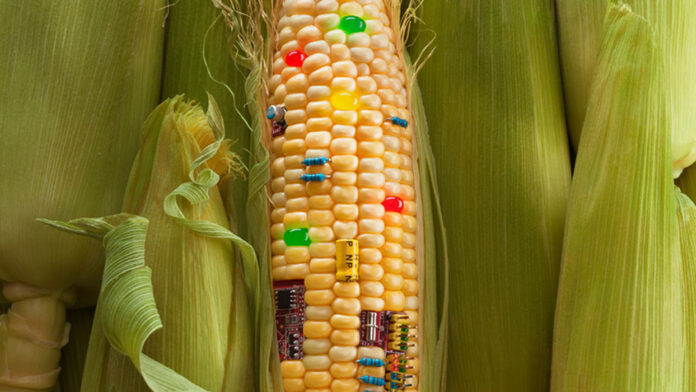
More than 30 countries across the world have officially approved the use of genetically modified organisms (GMOs), according to the International Service for the Acquisition of Agri-biotech Applications (ISAAA).
ISAAA noted that such development signals growing global acceptance of the technology despite the continued debates over its safety and long-term impact on health and the environment.
While proponents argue that GMOs can boost yields and enhance food security, critics continue to raise concerns over possible health risks, environmental impact, and regulatory gaps. The approvals come amid heightened debates on whether the benefits of the technology outweigh its potential dangers.
WikkiTimes identifies countries across the world that have adopted or approved the use of GMOs either fully or partly in their territories.

In its 2025 update on global biotech crop status, ISAAA said among the countries that now cultivate GM crops are the United States, Brazil, Argentina, Canada, China, India, South Africa, Kenya, Ethiopia, and Nigeria.
According to ISAAA, crops such as maize, soybean, cotton, and canola are being used to tackle food insecurity, pest infestation, and the impact of climate change through GMOs.
In Africa, South Africa, Nigeria, Kenya, Ghana, Ethiopia, Sudan, and Malawi have approved various GM crops. Ghana, in 2024, became the latest adopter with the commercial rollout of a genetically modified cowpea designed to resist pod-borer pests. Kenya also lifted its decade-long ban in 2022, authorising GM maize and cassava trials.
The Americas remain the hub of biotech farming, led by the United States, where over 90 per cent of maize, cotton, and soybeans are genetically engineered. Brazil and Argentina are also key adopters, expanding the global acreage of GM crops.
Europe has approved limited cultivation of GM crops under EU regulations, while several countries continue to permit imports of biotech products.
In Asia, Bangladesh, India (Bt cotton), the Philippines, Pakistan, and Australia grow GM crops commercially, while Japan and South Korea allow imports and support ongoing research.
ISAAA added that globally, 64 countries mandate GMO labelling—including the European Union, Australia, and Japan. By contrast, the United States and Canada do not require labelling, although some products in the US voluntarily carry GMO disclosures.
ISAAA noted that while GMO adoption reflects increasing confidence in biotechnology as a solution to agricultural and climate challenges, concerns about safety, biodiversity, and corporate control of seeds continue to shape public debate in many regions.